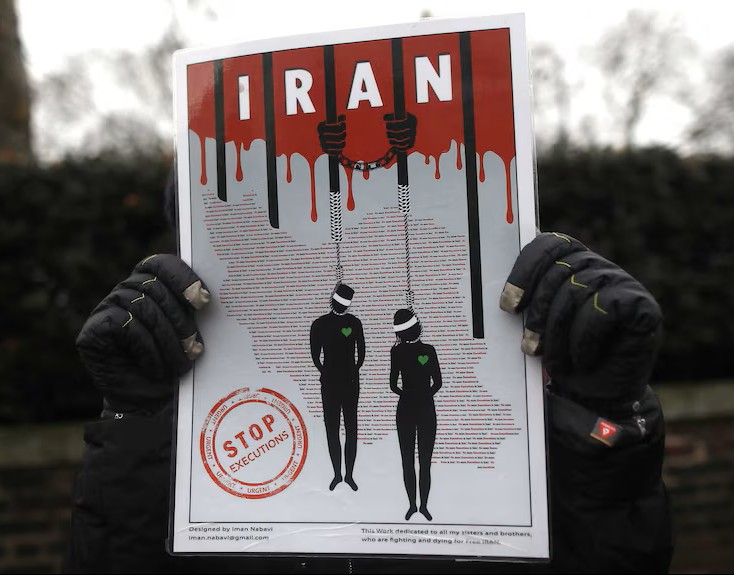
On Monday, 30 March 2026, two political prisoners—Ali Akbar Daneshkar and Mohammad Taghavi—were reportedly executed in Ghezel Hesar prison in Iran. According to initial reports from human rights monitors, both men had been imprisoned for approximately three years prior to their execution.
They were accused of affiliation with the People’s Mojahedin Organization of Iran (MEK) and were sentenced to death on the charge of “baghi” (armed rebellion against the state)—a charge frequently used in political cases in the Islamic Republic.
According to available sources, the two men were arrested around three years ago by Iranian security forces and held in prolonged detention, likely including time in Evin prison, before being transferred to Ghezel Hesar.
In comparable cases involving alleged MEK members, human rights organizations have documented serious due process violations, including:
- Forced confessions
- Lack of access to independent legal counsel
- Trials described as “grossly unfair”
The executions of Ali Akbar Daneshkar and Mohammad Taghavi reflect a continuing pattern in Iran of using capital punishment in cases tied to political opposition. While only limited biographical details are currently available, the circumstances of their arrest, trial, and sentencing align with longstanding concerns raised by international human rights organizations regarding due process and the use of the death penalty.
These concerns are further heightened by the current context of conflict, raising urgent questions about the protection of fundamental rights even during periods of national crisis.